
Hallmark: the open source skill that stops AI websites looking AI made
Hallmark is a free design skill for Claude Code, Codex, Cursor and OpenCode that checks AI built pages against the tells of generic design. What it does, how to install it and where it falls short.


Ask an AI tool to build a landing page and you will probably get the same page as everyone else. A purple gradient, a small label above the headline, one word in a different colour, three feature cards and a row of numbers nobody can check.
Anthropic described the problem in November 2025: without guidance, models fall back to "Inter fonts, purple gradients on white backgrounds", because the safest, most common choices in their training data win. People started calling the result AI slop.
Hallmark is an open source attempt to fix that. It went to number one on GitHub Trending on 26 October 2026, a few days after its second version, and passed 44,000 stars by 1 November. This post explains what it is, how it works and where it falls short.
The short answer
Hallmark is a free design skill for AI coding agents. You install it into Claude Code, Codex, Cursor or OpenCode, and when you ask the agent to build a page, Hallmark gives it hard rules, three themes to choose from and a checker that tests the finished page in a real browser.
It refuses to invent statistics, testimonials or client logos, and it bans the patterns that make a page look machine made. It is a strong starting point. It does not replace a designer's judgement or your own content.
What makes a website look AI made
Design guides that track this agree on a list of tells. None proves anything alone. The giveaway is many of them on one page:
- a purple to blue gradient, often with a glowing blob behind the headline
- a small capitalised label above every heading
- one word of the headline set in a different colour or in italics
- three identical cards with an icon on top of each
- emoji used as icons
- a wall of grey client logos and big round numbers like "10x faster"
- testimonials from people who do not exist
- an email sign-up box as the last section of every page
- a contact form that says "Thanks" without sending anything
For a business, the visual tells cost trust, and the invented ones are worse. Fake numbers and fake reviews are not a style problem. They are claims you would have to defend.
What Hallmark is
Hallmark was made by Hassan El Mghari, known as Nutlope on GitHub, who leads developer experience at Together AI. The first version launched in May 2026. Version 2, which he describes as rebuilt from scratch, arrived in late October.
It is an Agent Skill: a folder of instructions, reference files and small scripts that an AI coding agent loads only when a task needs it. Anthropic created the Agent Skills format and donated it to the Linux Foundation's Agentic AI Foundation on 22 October 2026, so the same skill works across many tools.
The code is under the MIT licence. Its photo library points to 755 openly licensed photos on Wikimedia Commons, and every photo it uses is credited on the page.
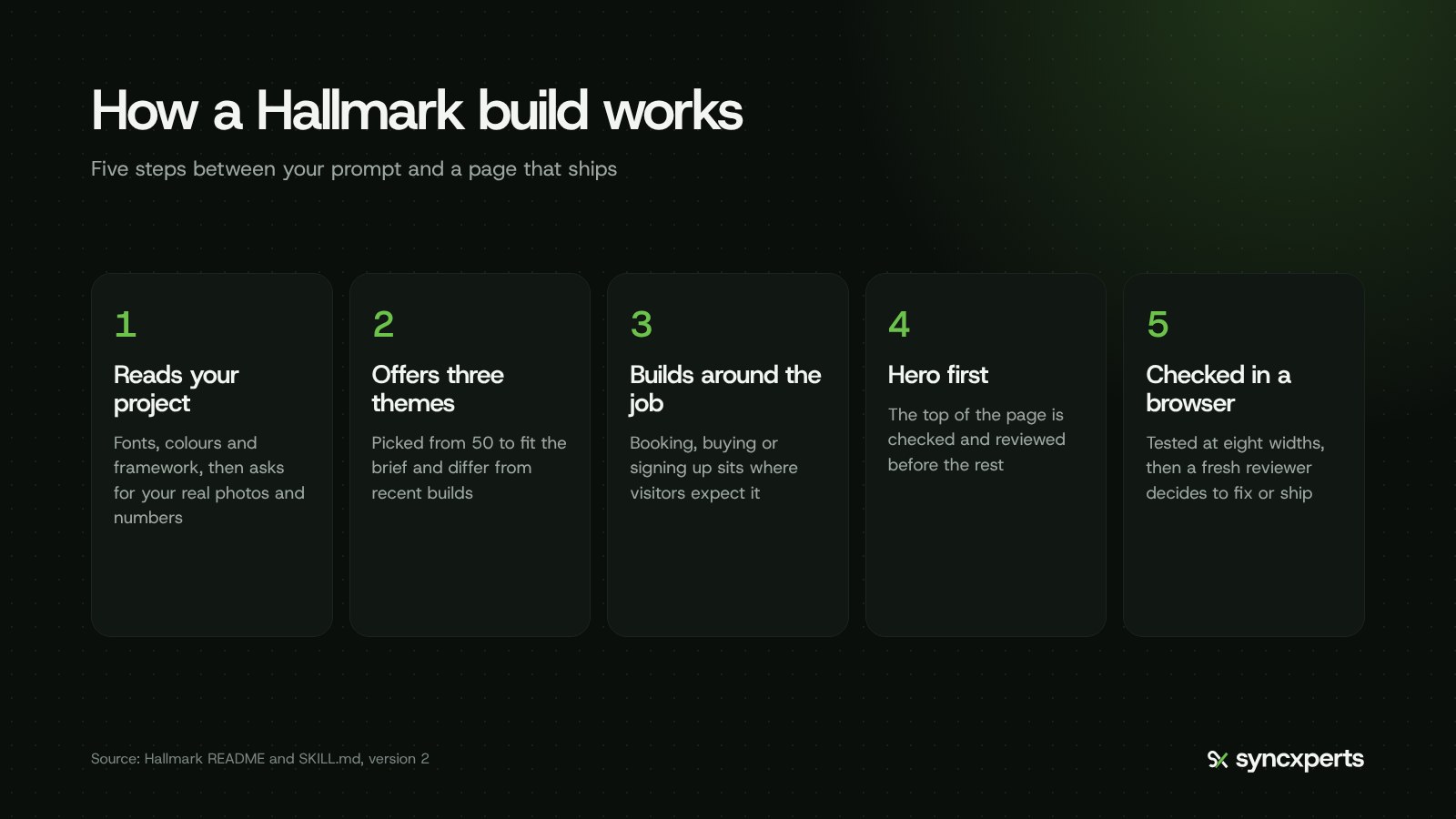
How a Hallmark build works
- Pre-flight. It reads your project first: fonts, colours, framework and any design file you already have. Then it asks for real material, such as your photos and your actual numbers. It does not make up facts.
- Three themes. It offers three themes out of 50 that fit the brief and differ from your recent builds. Each theme is a material, with its own colours, type and texture, not a fixed template.
- Built around the job. The layout follows what the visitor came to do, such as book, buy or sign up, and puts that action where real sites in that category put it.
- Hero first. It builds the top of the page, checks it and has it reviewed before writing anything below.
- Checked in a browser. A linter called sloplint renders the page at eight widths and tests it against the rules. A separate reviewer with no memory of the build then looks at screenshots and decides: fix, rebuild or ship.
The rules come in three tiers:
- Floor. Never ships. This covers contrast, keyboard focus, reduced motion, a broken phone layout, invented facts, fake browser windows, purple to blue gradients and the eyebrow label.
- Reflex. The habits a model falls into. A build can break one only with a written reason.
- Finish. Small craft details, like proper quote marks, that never block a release.
Every page records its decisions, and any rule it chose to break, in the first comment of its CSS. A developer or a client can read exactly what was decided and why.
It also works on existing sites
Version 2 added two commands that matter for businesses with a site already live:
- Audit reads a page and reports problems without changing any files.
- Redesign rebuilds a page while keeping its content and wiring. Before it starts, it records every link, form, field and script on the page, and fails the redesign if any of them disappear.
You can also ask for a lighter touch: keep the layout and restyle it, or only polish what the checks flag.
How to install it
You need Node 18 or later. In a terminal:
npx skills add nutlope/hallmark -g
Then ask your agent something like /hallmark a landing page for a perfume brand in Karachi. In Codex the command is $hallmark. In Claude Code you can install it as a plugin instead, and the browser checks need puppeteer-core and Chrome. Without them, the static checks still run.
The skill itself is free. You pay for the AI agent you run it in, and a long skill like this uses more tokens than a short prompt.
Where it falls short
Hallmark has real critics, and their points are worth knowing before you rely on it.
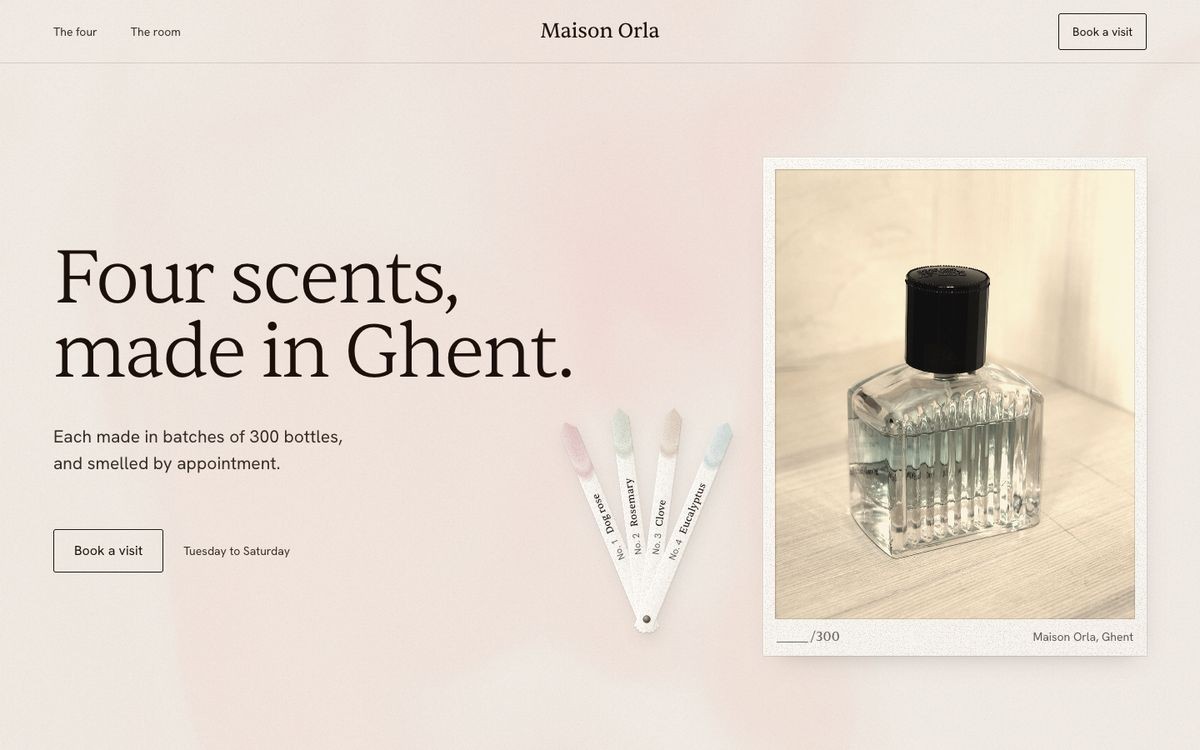
- A new uniform look. Paralect, a development agency, compared eight design skills side by side. Hallmark was "the only page with no made-up social proof", but its cream background, serif type and one accented word looked close to the look other skills already ban. Comments on Hacker News made the same point: these skills tend to converge on one style.
- Rules are not judgement. The checks catch patterns. They cannot tell whether your message is clear or your offer is right. The creator himself calls the output "a better starting point for iteration".
- Cost and model quality. Reviewers say it works best with top models, and that smaller models can skip steps in such a long skill.
- Best on marketing pages. It handles landing pages and simple sites best. Version 2 added rules for app screens, but that is newer and less tested.
What this means if you are buying a website
You do not need to install anything to use Hallmark's thinking. Its Floor is a good checklist for any website you pay for, whoever built it:
- Are the numbers, reviews and client logos real, and can the builder show where they came from?
- Does the contact form actually send, and does someone receive it?
- Does the page work on a phone, with readable text and buttons you can tap?
- Are the photos yours, or properly licensed and credited?
- Could the same page be used for a different business with only the name changed?
If the answer to the last one is yes, the site was built from defaults, with or without AI.
Where we stand
We build websites and AI tools, and we use AI agents every day to work faster. Tools like Hallmark raise the floor for everyone, and that is good for business owners. The part they cannot do is know your business: your real customers, your real photos and the one thing a visitor should do next. That part still needs people.
If you want a site built around your business rather than a template, book a 30 minute call.
Sources
- Hallmark repository and README, GitHub
- Hallmark SKILL.md
- Hallmark gates and checks
- Improving frontend design through Skills, Anthropic, November 2025
- Donating Agent Skills to the Agentic AI Foundation, Anthropic, 22 October 2026
- Hallmark star history, star-history.com
- Hallmark on Trendshift
- Hallmark v2, MODEL magazine, 24 October 2026
- Top design skills compared, Paralect
- Hallmark discussion, Hacker News
- The Missing Layer: Design Taste in AI Agents, AI Engineer World's Fair
- Signs of AI design, field guide
- Introducing skills, Vercel, 20 January 2026
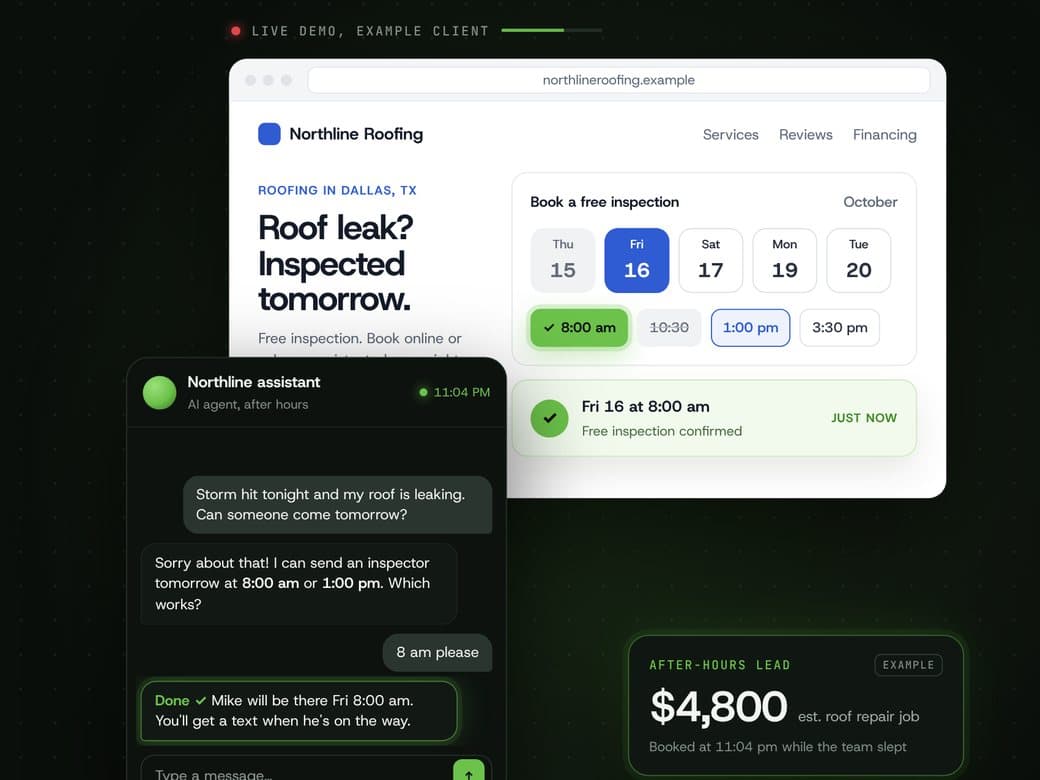
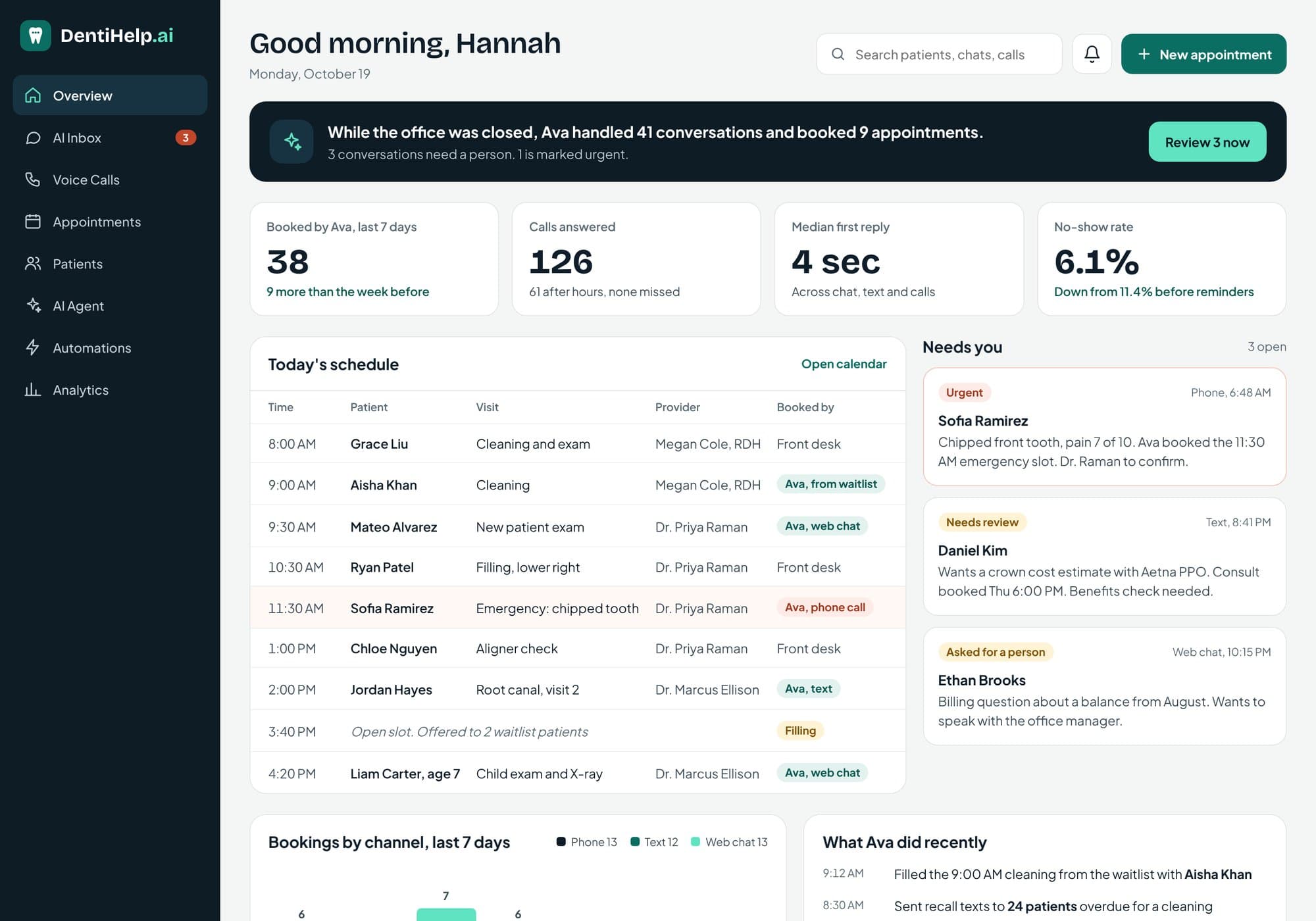
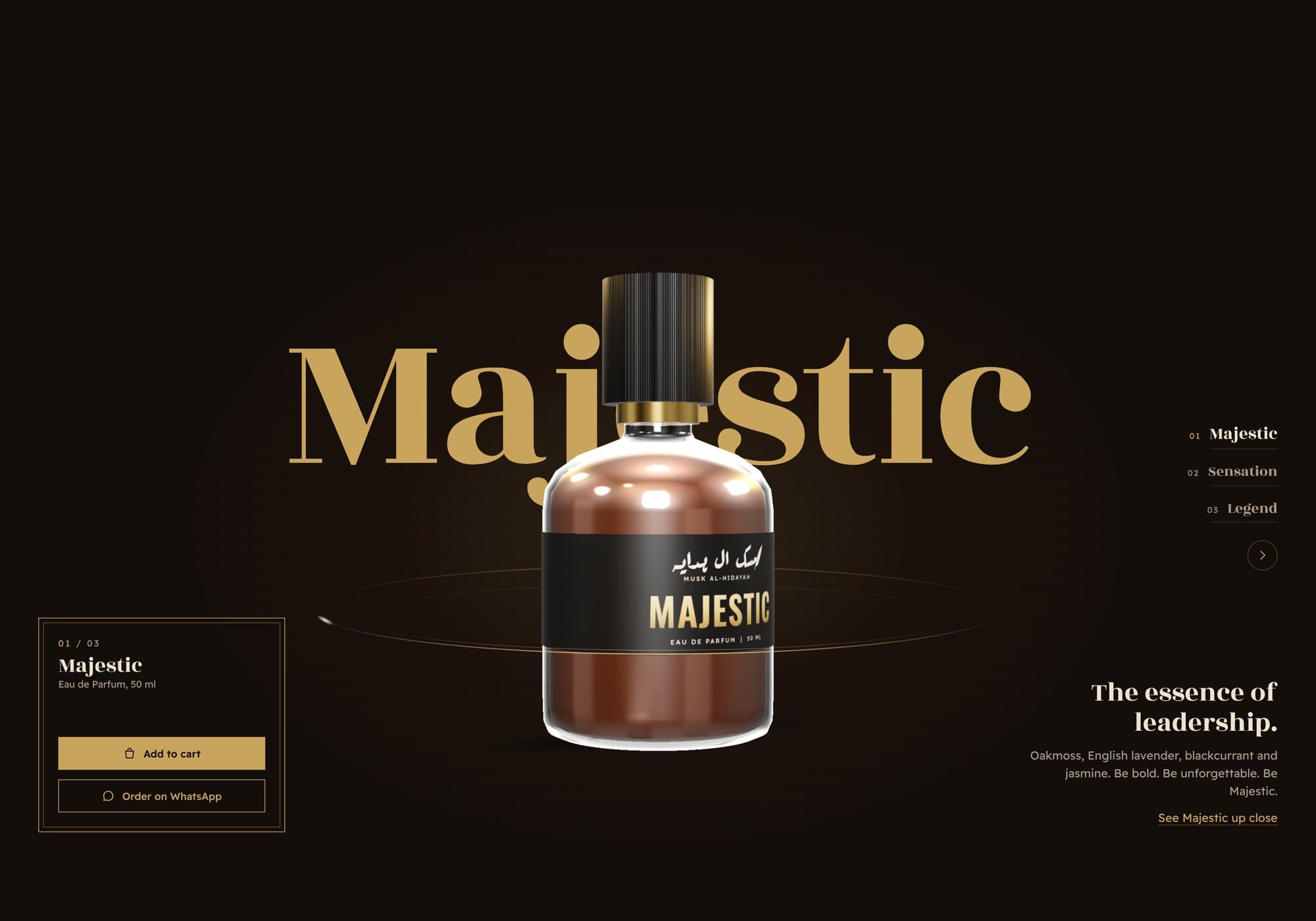
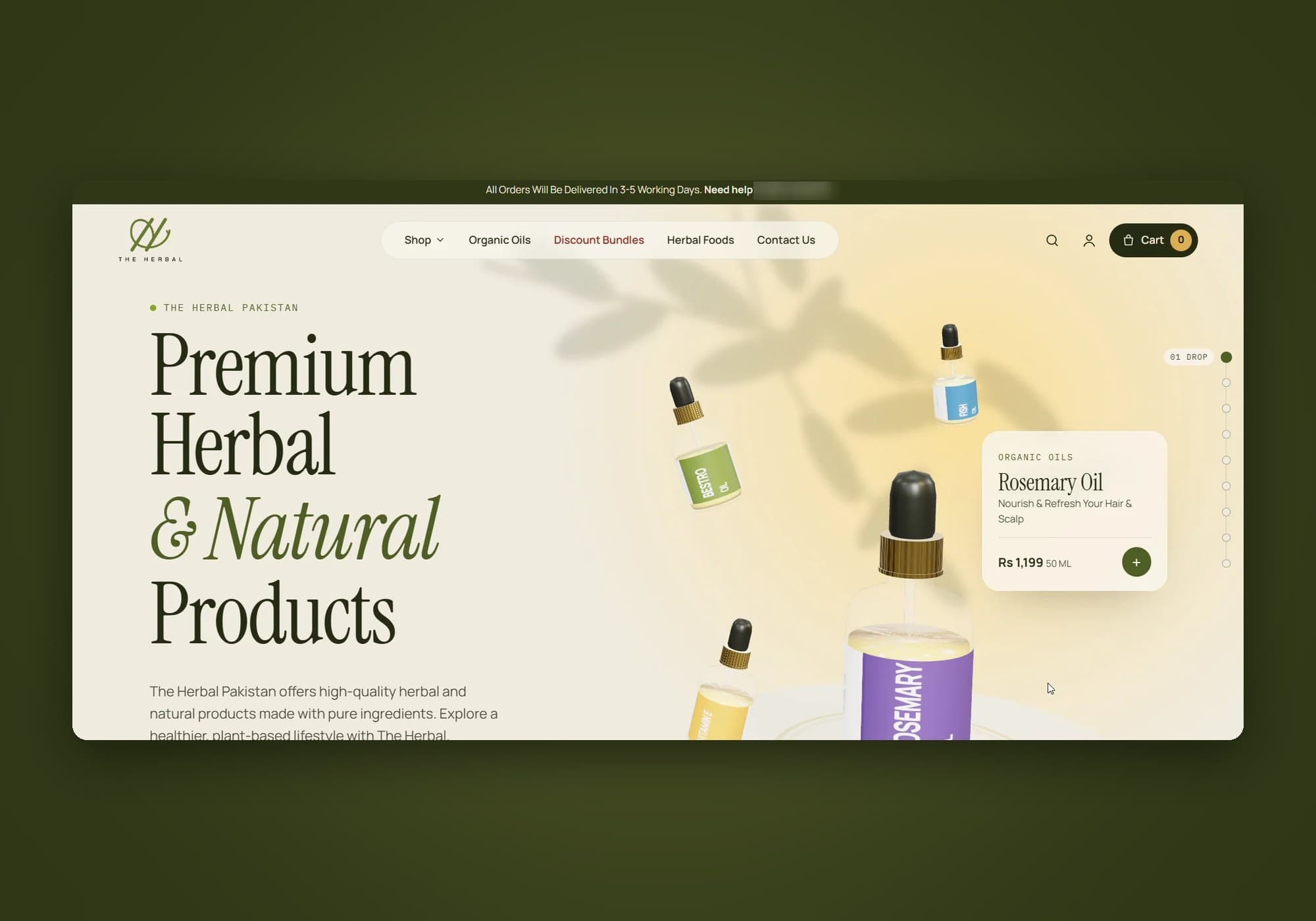
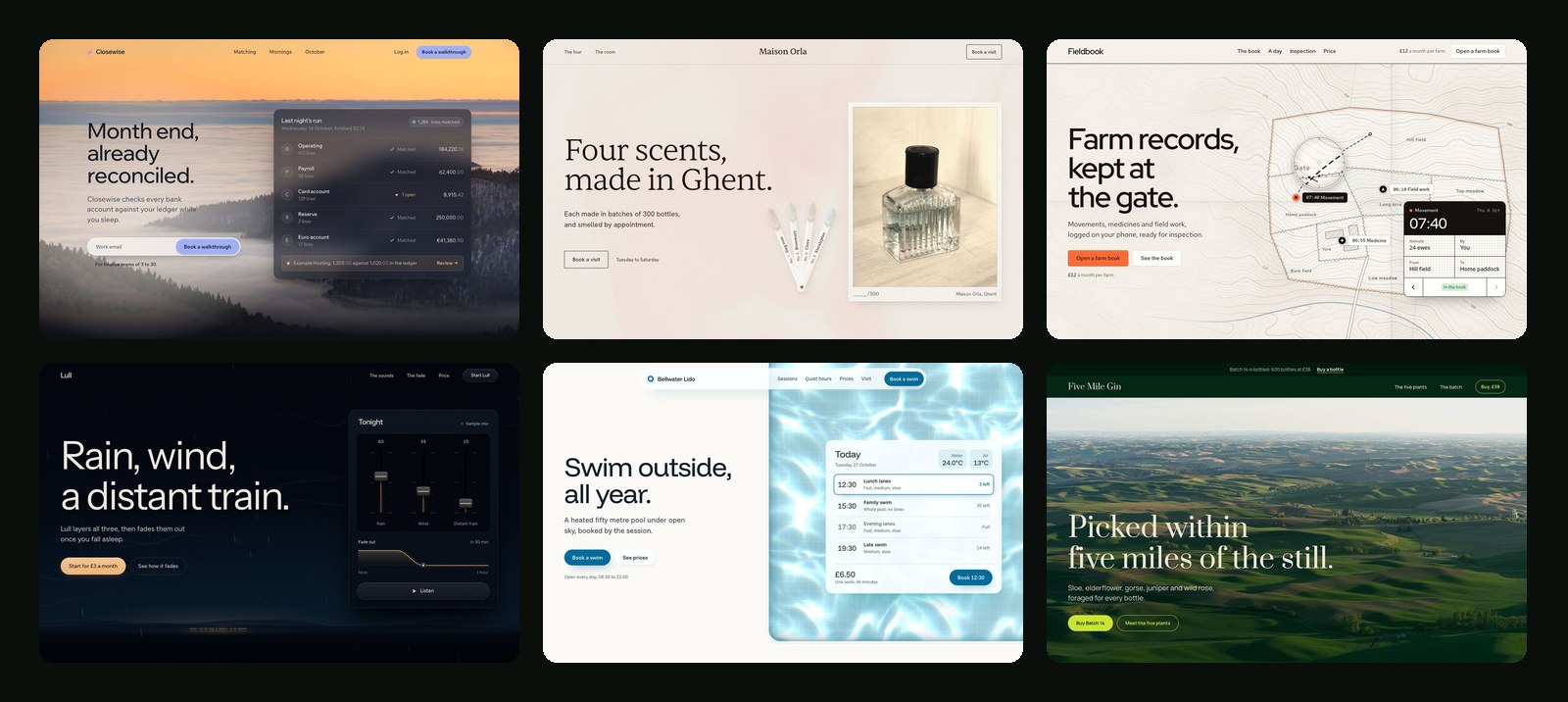
Theme screenshots are from the Hallmark repository, MIT licence.
Questions owners are asking
Hallmark is a free, open source design skill for AI coding agents, made by Hassan El Mghari at Together AI. Once installed, it gives Claude Code, Codex, Cursor or OpenCode a set of design rules, 50 visual themes and a checker that tests the finished page for the patterns that make AI built sites look generic.
Yes. The code is under the MIT licence. You still pay for the AI agent you run it in, and builds with a long skill like this use more tokens than a plain prompt. An optional image step uses a Together AI key, but the core skill does not need one.
Run npx skills add nutlope/hallmark -g with Node 18 or later. In Claude Code you can also add it as a plugin. The full browser checks need puppeteer-core and Chrome; without them the static checks still run.
Yes. The redesign command rebuilds a page while keeping its content, links and forms, and the audit command only reports problems without changing any files. Before a redesign it records every link, field and form so it can flag anything that goes missing.
It helps, but it does not guarantee it. Hallmark deals three themes per build and logs past builds to avoid repeats, yet some reviewers say its own output is starting to look recognisable. The creator calls the output a better starting point for iteration, not a finished design.
It is the generic look many AI tools produce by default: purple to blue gradients, the same font everywhere, a small label above every heading, one coloured word in the headline, three identical feature cards, invented statistics and testimonials. One of these alone proves nothing. Many of them stacked together make a page look unconsidered.

Founder and CEO of Syncxperts. Builds AI agents, automation, websites and custom software for growing businesses.